Fresh-Milled
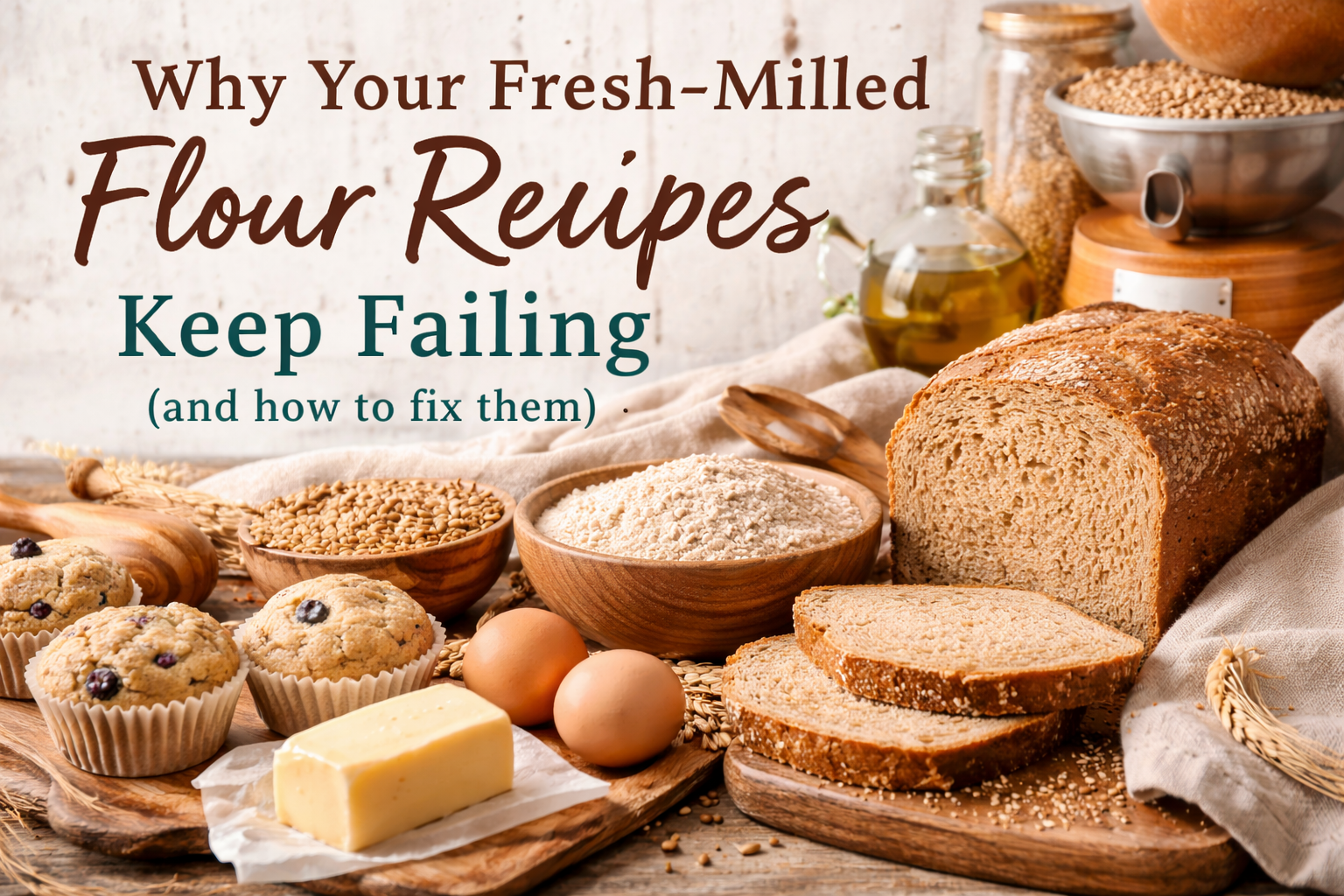
When I first started using fresh-milled flour, I assumed it would behave similarly to store-bought flour. I was wildly wrong. I’m not sure what they do to store-bought flour, but it’s not the same at all. I’ve now experienced my fair share of fresh-milled fails.
Sure, you can swap the flour in a 1:1 ratio (for the most part), but that’s where the similarities end.
My first loaf of pumpkin bread was a sad sort of pancake. I followed the recipe I normally used, only changing the flour to be fresh-milled. The texture was the same when I mixed it. It smelled the same, looked the same and in all respects seemed like nothing different than the dozens of other times I had made it.
I checked the oven a couple of times and noticed it didn’t seem to rising like normal. There was no doubt that I had added the rising agent. I remembered doing it. Maybe it just needed more time…so I checked again ten minutes later. Still, flat as can be.
When it was done baking, it still hadn’t risen much. It was maybe two inches thick instead of the six or eight inches I was used to. So I did a little research. This wasn’t a problem that I had considered. I thought the taste was going to be the biggest difference. It was almost no different. After a bit of research, I learned that fresh flour simply needs time. You can’t rush it and expect perfect results. The gluten needs time to develop and the flour itself needs time to soak up the liquid in the recipe.
Taking what I had learned, I tried again. This time, the results were what I had expected. I had a perfectly risen, beautiful pumpkin loaf that was delicious and nutritious.
Why This Flour Is So Fussy
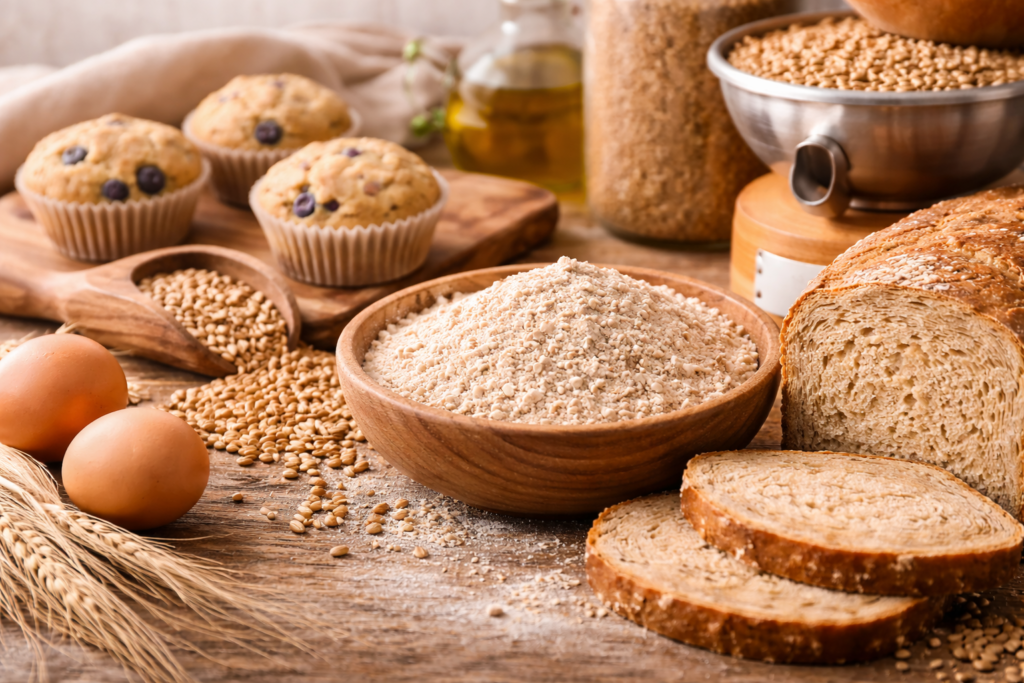
Fresh-milled flour still contains the bran, germ, and natural oils that commercial flour strips out for shelf life. That means it’s more nutritious and flavorful, but also more sensitive. It absorbs more liquid, can weigh down your bakes, and reacts differently depending on the grain you use.
If you’ve ever pulled a dense loaf out of the oven or wondered why your muffins don’t rise quite right, it’s probably not you. It’s just that no one taught you how to bake with fresh milled flour the right way.
Here’s what I’ve learned:.
– Soft white wheat is best for muffins, cookies, and cakes.
– Hard red or hard white wheat works well for yeasted breads.
– You need to let your batter or dough rest to hydrate the bran and allow the flour to fully absorb the liquid.
Once you learn how to bake with fresh milled flour properly, everything changes. Your food tastes better. Your pantry works harder. What you make is more nourishing and filling.
It’s one of the best changes I’ve made to my cooking and baking.
5 Simple Changes That Will Make A Difference
Once you understand why fresh flour acts the way it does, you can start making a few small adjustments that make a big difference.
These aren’t complicated changes, but they’re the kind of things most people don’t know to do when they’re first learning how to bake with fresh milled flour.
Here are the top five things that finally turned my freshly milled flour bakes around.
Use The Right Wheat
Different foods will do better with different types of wheat. The two most common wheats I use are Soft White and Hard White Wheat. For all quick breads and muffins, I use soft white. For yeasted breads, I use hard white as it contains more gluten, making a softer bread.
Add More Moisture
Fresh milled flour is thirsty. Store bought flour is like those cheap beach towels that don’t absorb any water. Fresh milled flour is like a sponge that soaks it all up and gives you amazing nutrition in return.
Let The Batter Rest
This was the game-changer for me. Letting everything rest makes all the bakes better. For quick breads and yeasted breads, 30 minutes is sufficient. For cookies, overnight is best.
If you do nothing else that’s recommended by anyone, do this one thing. It will make your bakes succeed.
Bake Longer
Not all my bakes need longer in the oven, but some do. I start with the recommended time on the original recipe, then check with a toothpick. Typically, I need about five additional minutes, but sometimes, nothing more is needed.
Be Realistic
Don’t expect freshly milled flour to behave the same way as store bought flour. If you do, you’re bound to be disappointed. Like anything worthwhile, there is a learning curve. But it’s worth it! I promise.
Storing Fresh Milled Flour
Fresh milled flour doesn’t just behave differently than processed white flour when baking. You need to store fresh home milled flour differently too.
Grind only what you need for your recipe (plus a little extra, just in case). Fresh milled flour will go bad if left out. Most importantly, it will lose almost all nutrients within 48 hours of being milled. Because of this, it’s best to mill the grain immediately before using.
If you do need to store the extra flour, place it in an airtight container and store it in the fridge. This will slow the aging process, keep it from going rancid and preserve the nutrients for longer.
Don’t Give Up!
I can’t quite describe the wonderful feeling of being able to grind my own wheat berries, produce a fine flour and know that all the wonderful nutrition is baked into everything I make for my family. Bread made with freshly ground flour is rewarding on a whole other level.
Once you learn the intricacies of using whole grains, an electric flour mill and how to store freshly milled flour, you’ll never go back. Before you know it, you’ll be the most experienced baker with fresh grains and your friends will be asking what makes your bakes have such superior flavor.
You’ll be making homemade delicacies with higher protein content, more health benefits and all the nutrients God intended our wheat to have.
Happy Baking!
Recent Posts
-
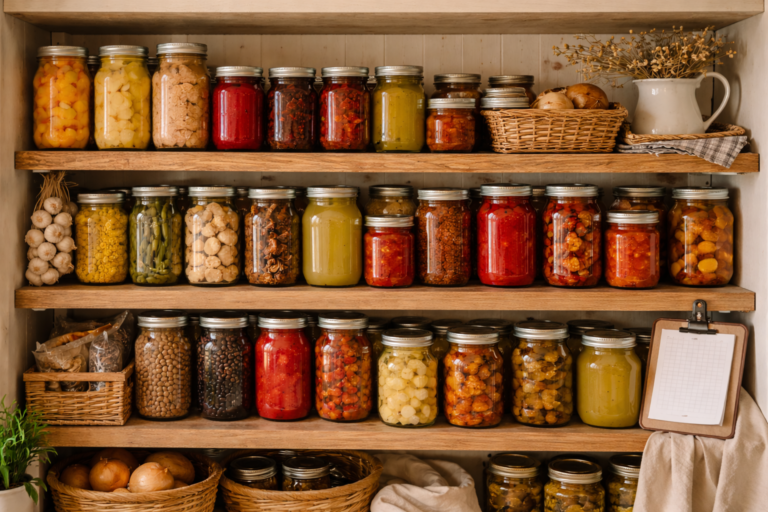
10 Foods I jar to Make Dinner Easy
Easy peasy Dinner First of all, let me be clear: I don’t can food because I’m waiting for an apocalypse….
-
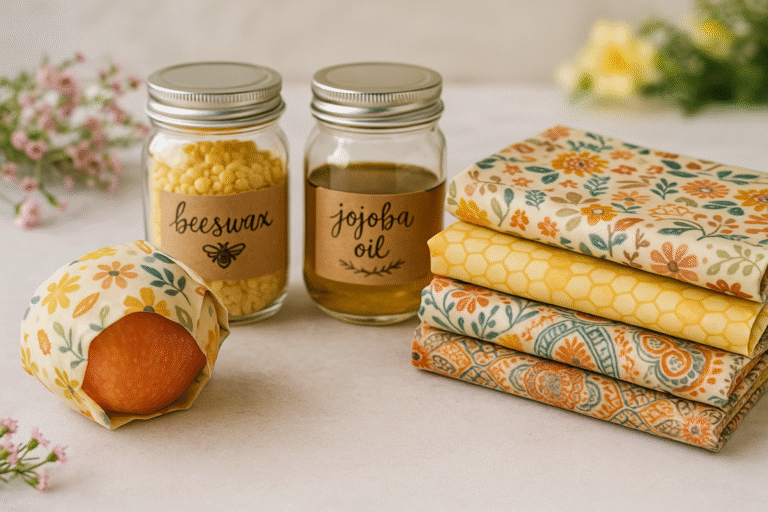
How To Make Beeswax Food Wraps
How To Make Your Own Beeswax Wraps I still remember the first time I used a beeswax wrap instead of…
-
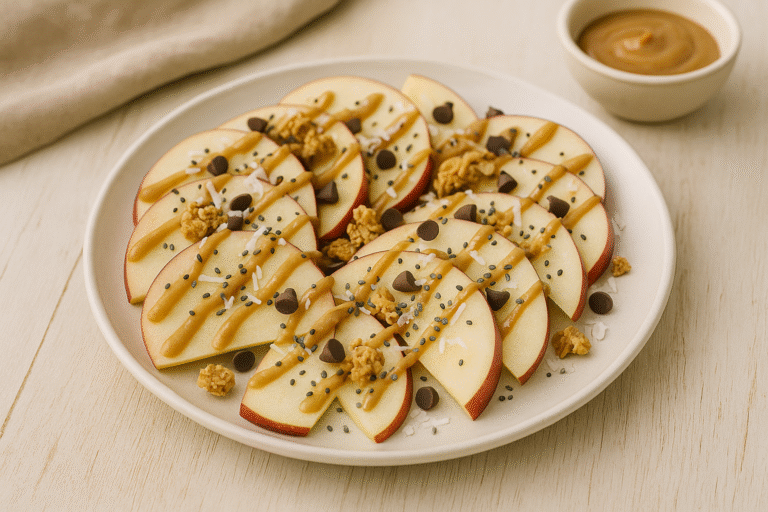
Apple Nachos
Apple Nachos – The Perfect Snack It started as a desperate attempt to make apple slices seem more exciting. I…